

When we still lived in Siberia, I always loved all sorts of overseas herbs, such as rosemary, oregano, basil. Basil, my sister and I even began to grow in the garden; last year, she gave birth to glory - tall, tasty and surprisingly fragrant (not to be compared with what is sold in stores). I dried it so much for the winter that I did not have time to use even half of it before our departure to Montenegro.
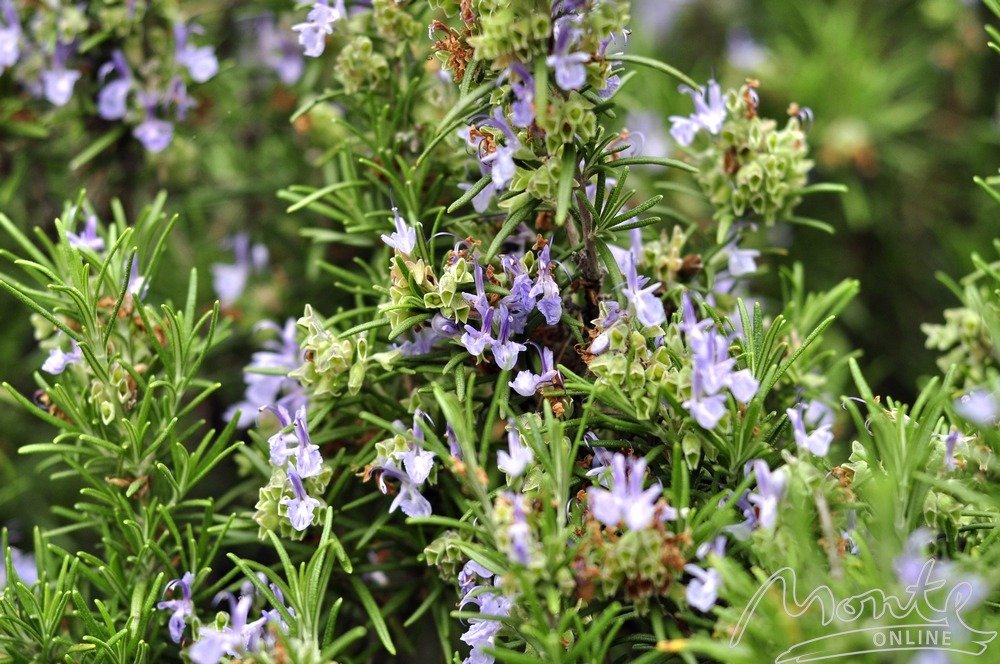
Well, back to overseas herbs. The first herb we met here was rosemary, and it lay on the market stall. For some reason, they didn’t sell other herbs there (I’m not talking about parsley, cilantro, arugula - this is in abundance here). Imagine my surprise when I saw a whole bush of real, fresh rosemary in the garden of car mechanics who repaired our car. It is considered indecent to drag rosemary from car mechanics, so I pulled myself together, turned away from the bush and went on. But luck still smiled at me when we went to inspect the monastery "Gradiste". There were rosemary bushes right at the gate! I was not slow to come to the rescue and trim the bushes 🙂 And later we began to find rosemary in a variety of beds and flower beds for public use, sometimes it is beautifully cut and forms a decorative flower bed - we don’t touch these flower beds 🙂 But we don’t buy it on the market anymore.
In general, rosemary is translated as "sea foam", because. it grows by the sea. It is considered one of the main condiments in Mediterranean cuisine, especially in Italy and France. Let's say more - not a single self-respecting Mediterranean hostess imagines her dishes without rosemary. It goes great with meat and fish dishes (although they say that you shouldn’t add it to fish, but we really like it), but it doesn’t always go well with soups - today we saw it for ourselves 🙂 So, housewives, don’t be afraid to experiment !