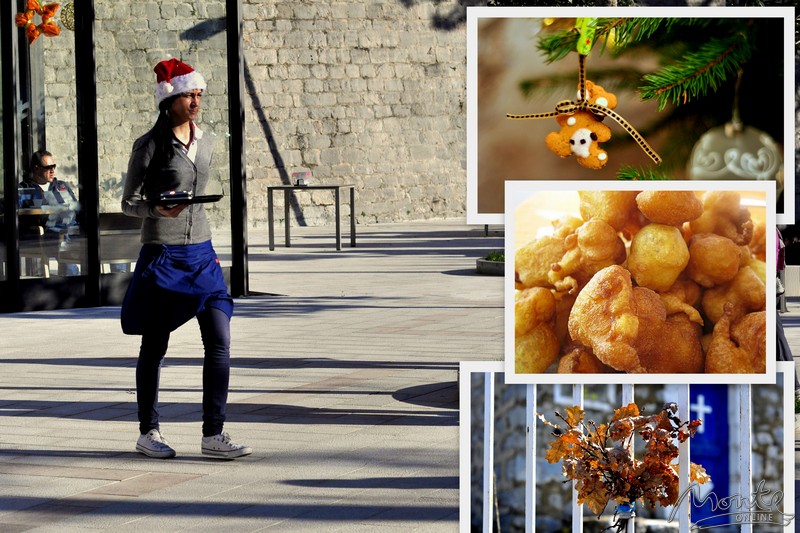


Today marks the bright holiday of Christmas according to the Catholic tradition, marking the beginning of a joyful series of holidays that will culminate for many with New Year's and Orthodox Christmas on January 7th, while others will also celebrate Orthodox New Year (as it is called in Montenegro) on January 14th, and in Russia on January 14th. Yesterday, December 24th, fireworks exploded outside the windows all evening, and the smell of incense filled the air. The population of Kotor and the Bay of Kotor is partly Catholic, thanks to centuries of Venetian rule in these parts. In Kotor, small pre-holiday concerts were held on January 23rd and 24th, and the city dressed up for the holiday. Some organizations arrange a day off on this day, as for some employees, today is the main holiday of the year. On this occasion, we decided to explore the traditions of the celebration. New Year and Christmas in Montenegro. It should be noted that we learned with interest about many traditions that pleasantly and unexpectedly surprised us.
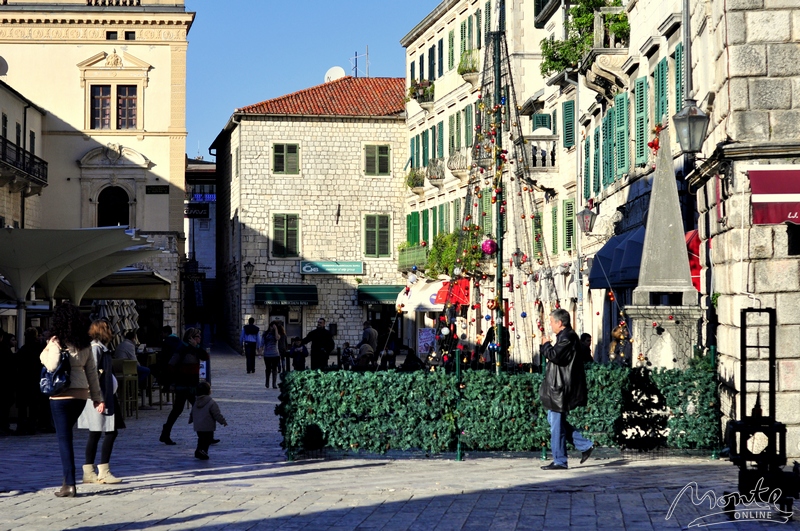
So, well, let's start with the fact that already yesterday - December 24 - the whole evening under the windows fireworks were bursting and there was a smell of incense - the population Kotor and Bay of Kotor – is partly Catholic, thanks to centuries of Venetian rule in the area. Small pre-holiday concerts were held in Kotor on January 23rd and 24th, and the city dressed up for the holiday. Some organizations take the day off, as for some – employees, it's the most important holiday of the year.
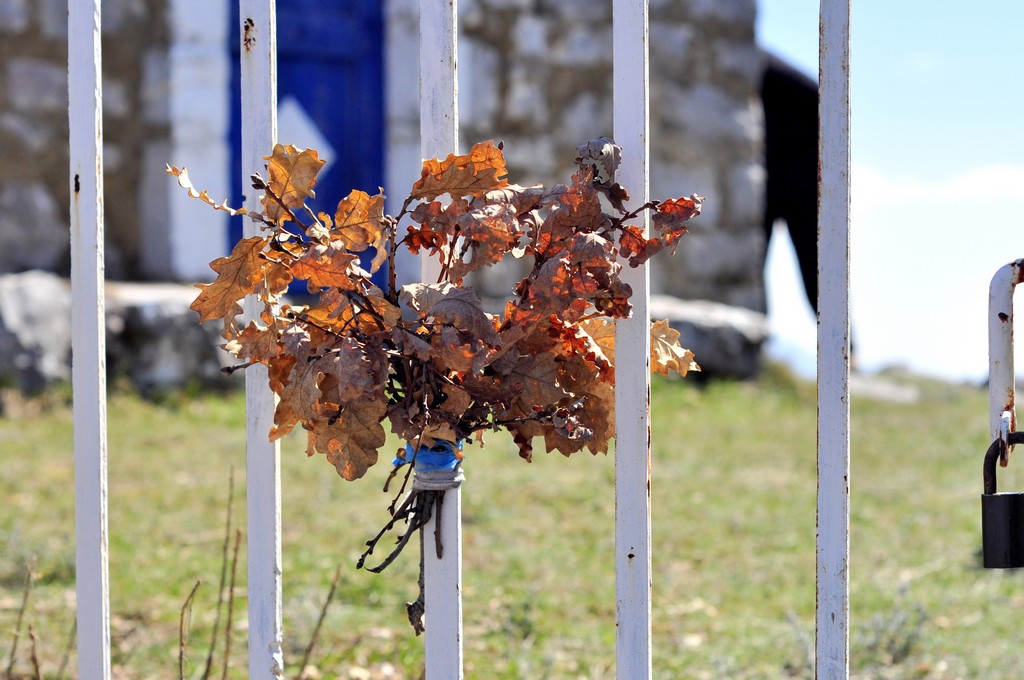
Going outside in the morning, I found laurel branches in the neighbor's shutters. One of the main Christmas traditions in Montenegro is connected with this. This is primarily an Orthodox tradition, and it consists in this:
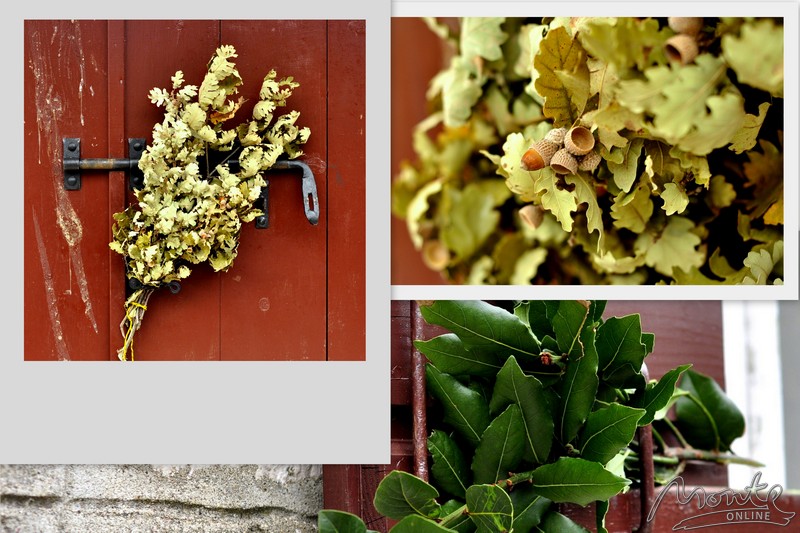
Christmas celebration in Montenegro starts on January 6 - in the so-called Badni Dan (Badnjak is "oak" in Montenegrin, and "dan" is "day"). Early in the morning on Badnjak, men from every home go to the forest to bring home oak, laurel, and olive branches. All these trees, in this case, symbolize family well-being (for the lazy, such oak branch bouquets are also sold at the market). In some cities, it is customary to bring home a whole oak tree, which is then chopped into several pieces, corresponding to the number of men in the house plus one (the "family piece"). All these oak (or other) branches and trees are placed against the walls of the house or attached to doors and windows. On the evening of Badnjak, as darkness falls, a festive dinner is prepared, and the women wait for their men with the branches. When they arrive, each with their own branch, straw and corn grains are scattered from a sieve throughout the house, again as a sign of blessing the home and a reminder that Jesus Christ was born in a manger in a stable. One of the most popular Christmas treats is buns, or as they are called in Montenegro, buns. bordersAt Christmas, they are traditionally served with honey, but they are also served with homemade cheese and prosciutto. In the evening, the oak branches are ceremoniously baked, accompanied by remnants of the holiday table and wine or rakia. Meanwhile, on the oak window, festive dishes for the following day (Christmas itself, January 7th) are prepared.
This is how almost every house in Montenegro is decorated with oak branches during the – holidays. Some cities have a tradition of publicly burning branches near churches. During the day, almost every church, as part of the celebrations dedicated to one of Montenegro's main holidays, –, sets up huge bonfires where locals bring the branches. That's how it is :) We wish you joyful and warm holidays and a joyful pre-holiday rush!
PS We will try to attend Christmas "burnt offerings" and report back with photos!