

Njegusi, Montenegro (see on Montenegro map) - a very small village, which is located 19 km from the former royal residence Cetinje and 1000 meters above sea level, at the foot of the Lovcen Nature Reserve. Njegusi can be reached via Cetinje or via the winding Kattaro stairs, which offer magnificent views of the Bay of Kotor. The village where the Petrovich (Negosh) dynasty was born is a small group of stone houses along the road that have preserved their ancient identity. In Njegusi, life is slow, surrounded by mountain peaks. According to the results of the 2003 census, no more than 30 local residents remained in Njegusi, whose measured life is interrupted in the summer season by crowds of tourists who want to taste local delicacies and plunge into the Montenegrin outback.
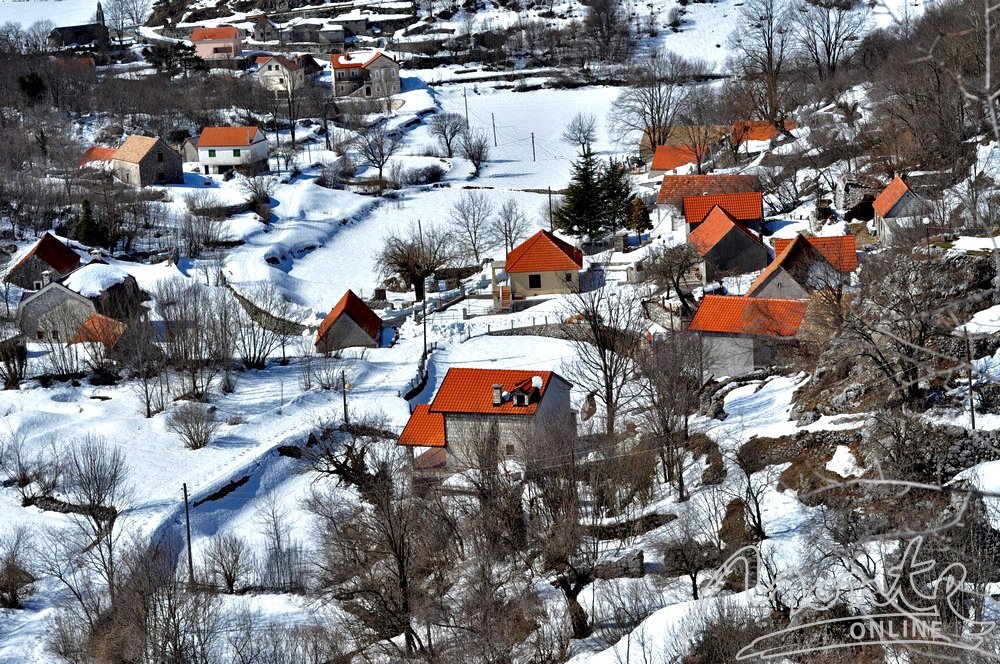
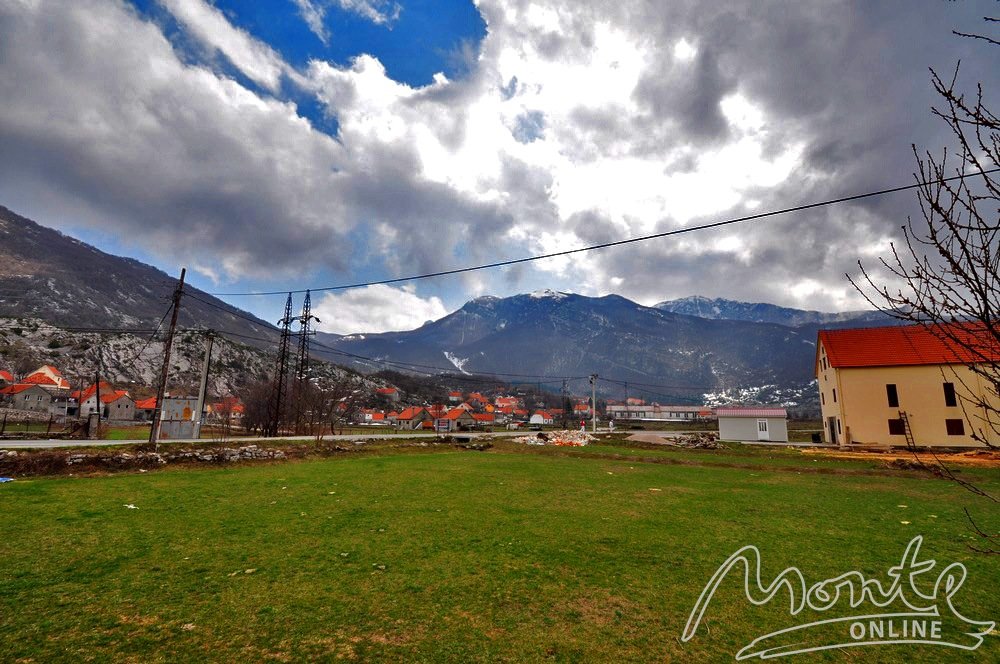
Petar Petrović Njegoš, ruler of Montenegro from 1830 to 1851 and Metropolitan of the Diocese of Montenegro and the Littoral of the Serbian Orthodox Church, was born in one of the local barn-like houses. The Petrović-Njegoš dynasty was the ruling dynasty of Montenegro from 1697 to 1918. Petar Petrović Njegoš made an enormous contribution to the development of Montenegro and the establishment of Montenegro as a state. According to his will, he was buried in a chapel atop Mount Lovćen, which was destroyed by the Austrians during World War I, rebuilt afterward, but destroyed again—this time by the Communists. The Njegoš Mausoleum was subsequently built on the site of the chapel, and now houses the remains of the glorious ruler of Montenegro. The Njegoš Mausoleum is open to tourists (admission fee: 2.5 euros). Petar Petrović Njegoš was a statesman and reformer who did everything possible to transform Montenegro into an independent, modern state. But Petar Njegoš is equally renowned for his work as a poet. His poem "The Mountain Wreath" crowns the work of this talented politician and is recognized as one of the most significant poetic works of Yugoslav literature.
Dear God, you are in control.
You sit on a heavenly throne
and with a mighty gaze you kindle
round dances are light in space;
You dispelled the clouds of stardust
from under the throne of his saint
and called them God's worlds,
You revived every speck of dust
and sowed with intelligent seed;
in your hand you hold the book of the universe,
where all destinies are written
all worlds and all rational beings,
mercifully you alone decided
breathe life into pliable limbs
the ant and the lion, the king of the desert,
clear the sky above the Black Mountain,
chase away the thundercloud,
take away the lightning and thunder!
(an excerpt from the poem "The Crown of the Mountain", Petr Petrovich Negosh)
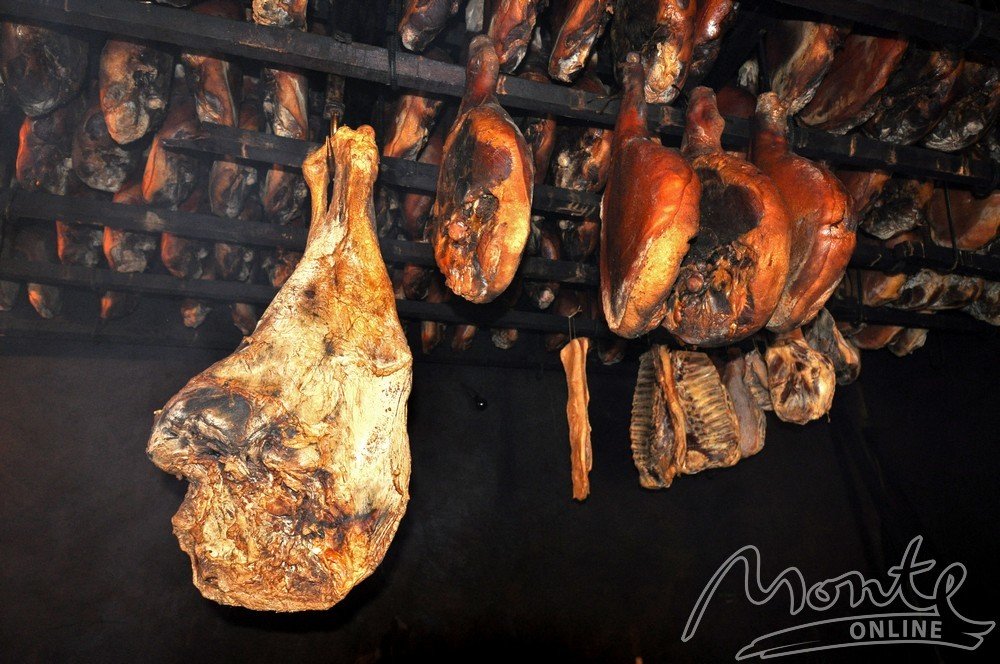
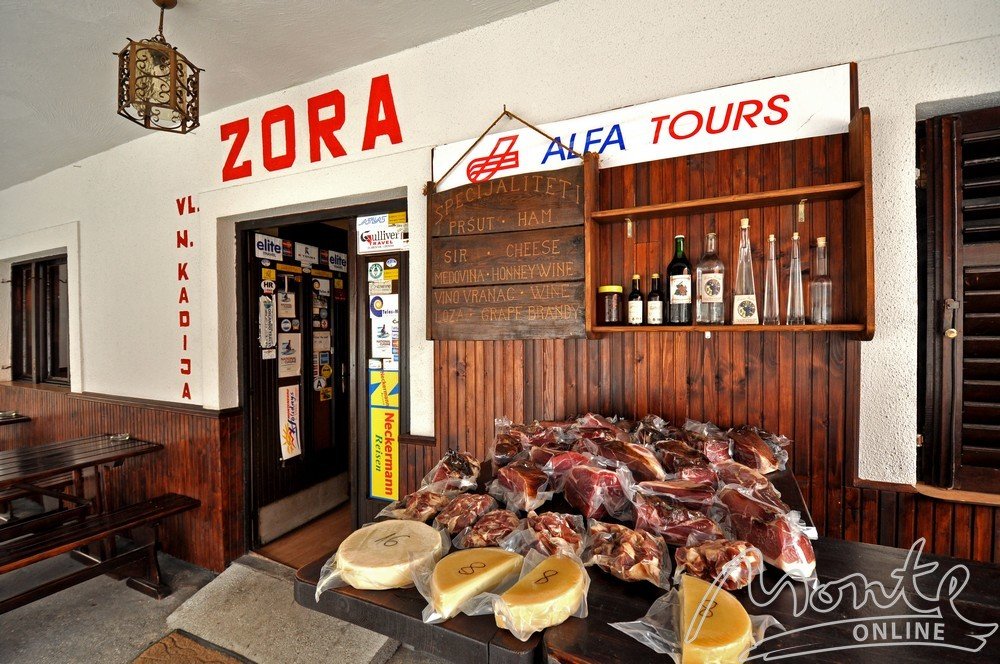
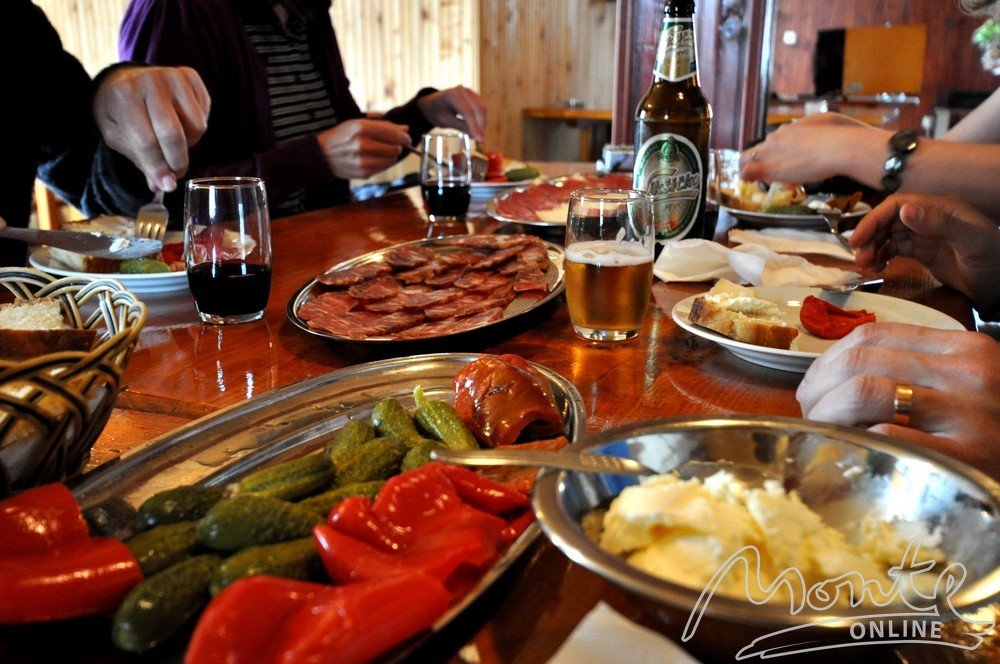
Despite the small size of Njegusi, this village still has something to brag about. Here they make the most delicious and famous throughout Montenegro Negush cheese and prosciutto. Prosciutto is made in every home, so the sign "Domachi prosciutto, sir and honey" hangs almost everywhere. Prosciutto is a traditional Croatian and Montenegrin dish - pork ham, which is smoked on coals for about a month, and then dried in a cold dark place for several months. Such meat can be stored at room temperature for about a year. It is usually cut into very thin slices and served with sheep's cheese, olives and onions.
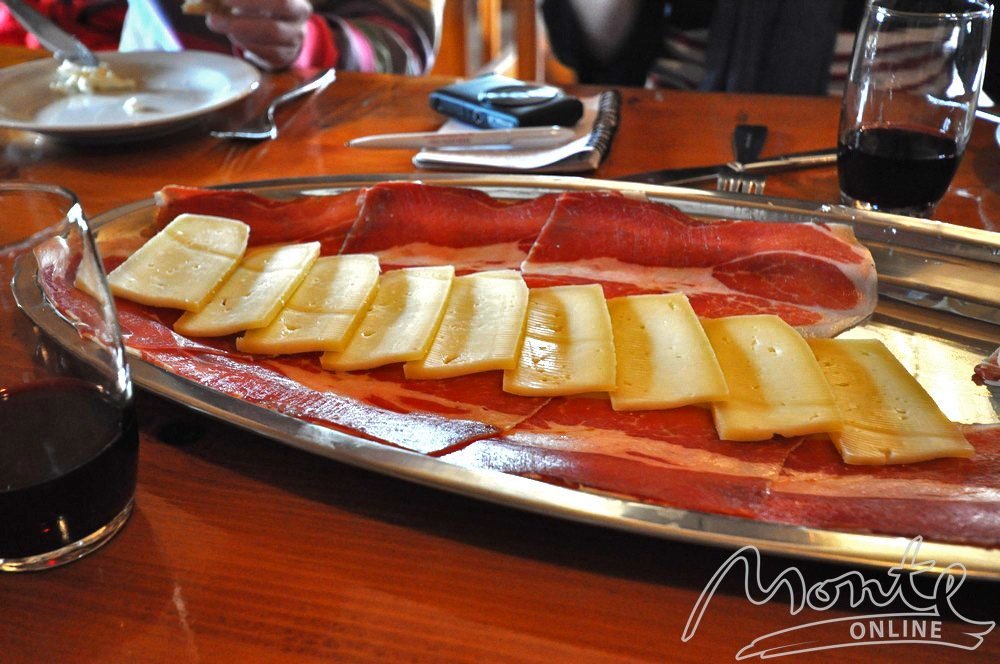
Njeguši has several restaurants and pubs serving national cuisine (it couldn't be any other!), where you'll be sure to be served pršrut, cheese, freshly baked bread, ćevapi (small sausages made from pure meat), kajmak (the baked foam skimmed off chilled, rich milk; a cross between sour cream, cottage cheese, and butter), and the local, richer wine, Vranac. Stop by the pub Zora, where you'll be greeted by the friendly owner, Nikola, and his son, Micko; enjoy a glass of rakija with the owner or just chat about life. From personal experience, the author knows the language barrier won't be a problem 🙂 Micko, by the way, speaks both Russian and English. A hearty meal for two at Zora will cost 20-25 euros. You can also stay overnight there very inexpensively— Zora apartments.

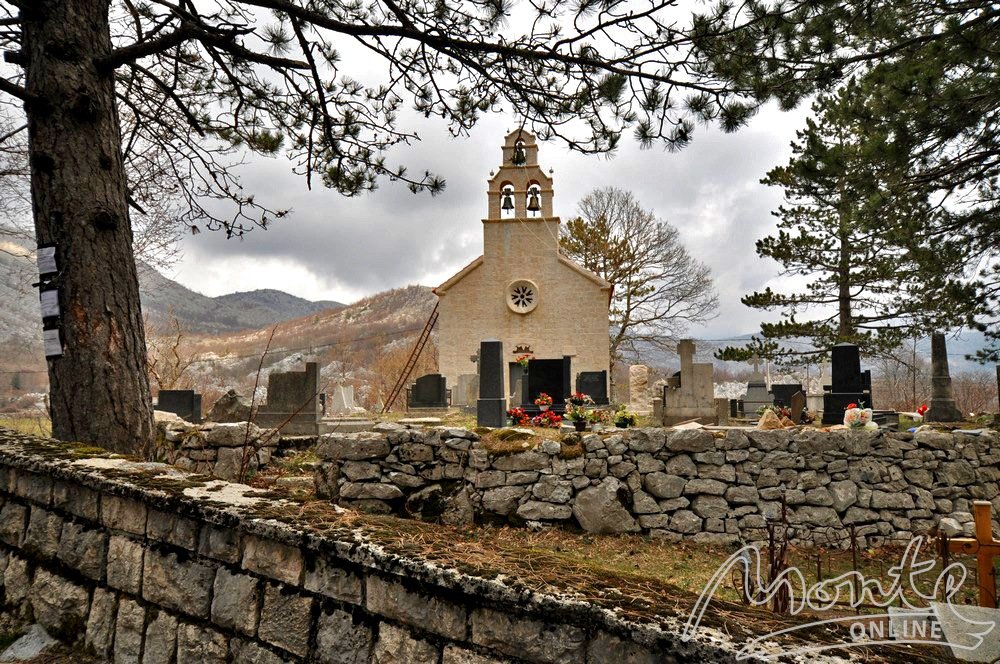
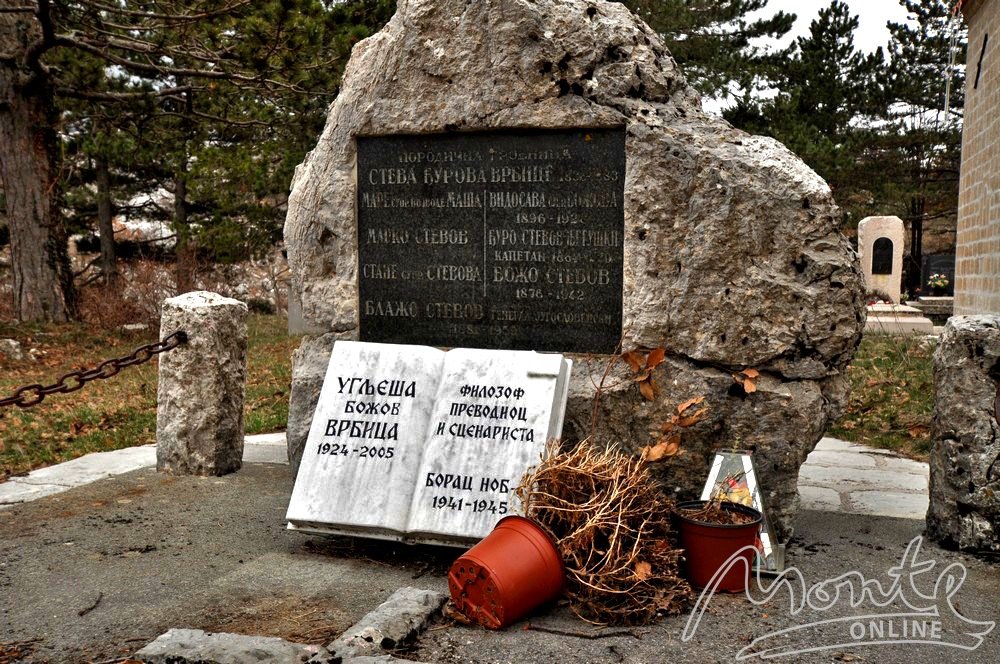
At the entrance to Negushi stands the Church of the Apostle Peter; there is a small cemetery around it. This church is remarkable in that it does not have a specially designated bell tower; you can ring the bells from the outside, directly from the ground.