


Tour duration:
- 8 days
Price:
- 1460 € (1-4 people);
- 2030 € (4-6 people).
Included in the price:
- automobile;
- services of a Russian-speaking guide;
- cold drinks;
- photoshoot.
Additionally paid:
- boat rental to the island of Gospa od Skrpela – 5 €/person;
- boat rental on Lake Skadar – 60 € for the whole boat;
- boat rental to the Blue Cave and Mamula Island – 80 € for the whole boat;
- wine tasting;
- museums;
- tourist tax in Durmitor and Lake Skadar – 4 €/person;
- lunches / dinners (including a portion of the guide).
When you book a complete eight-day tour of Montenegro, you receive a nice discount and a free photo shoot! Furthermore, with –, you'll save yourself hours of browsing and the agonizing choice of the perfect excursion—everything looks so tempting! We offer a must-see list of Montenegro's must-see attractions to get a full picture of this wonderful country.
The eight day package includes:
1. Venice on the shores of the Bay of Kotor, 8-10 hours

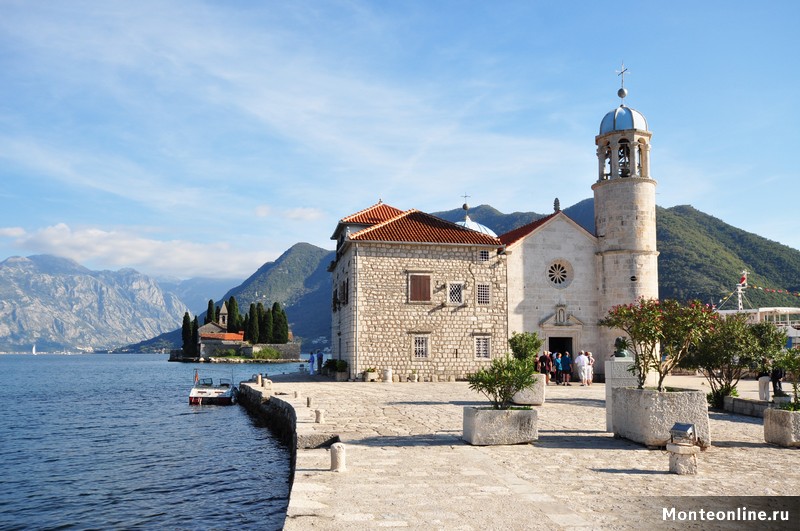
The pearl of the Montenegrin coast is the Bay of Kotor, which cut into the mountains with a narrow, winding thread. For many centuries, the rocky shores and secluded harbors of this southern fjord have attracted strong empires: the Venetians and the Turks, who left a bright mark on the culture and architecture of this picturesque region. The Bay of Kotor is the old fortress of Kotor with many mountain trails, chic Perast, scattered fishing villages with white stone houses, chic modern hotels and marinas that accept huge yachts and ocean liners, ancient fortresses and monasteries, and much, much more. We invite you to get acquainted with the unique culture of the cities of the Bay of Kotor and the rich national cuisine of Montenegro, and just have a great day and take vivid memories with you. Read more...
2. In the footsteps of Njegosh: Njegusi village, Lovcen mausoleum and the royal capital of Cetinje, 8-10 hours


Under the auspices of the royal capital of Cetinje, the main stronghold of the Montenegrins in the fight against the Turkish invaders, who never conquered the impregnable city, serene Negushi has been peacefully existing for hundreds of years. The picturesque valley at the foot of Mount Lovcen proudly shelters the Negushi, who gave Montenegro its legendary rulers - the Petrovich dynasty - as well as the most delicious prosciutto and Negush cheese. We invite you to see with your own eyes where the great lord and ruler of Montenegro, its most famous poet and spiritual leader, Peter II Petrovich Njegosh, was born, ruled and buried.
3. Journey on Skadar Lake, 8-10 hours
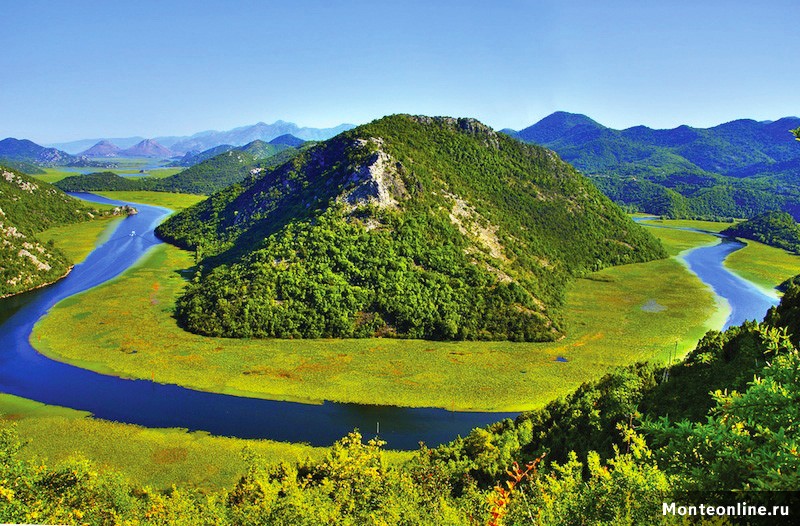

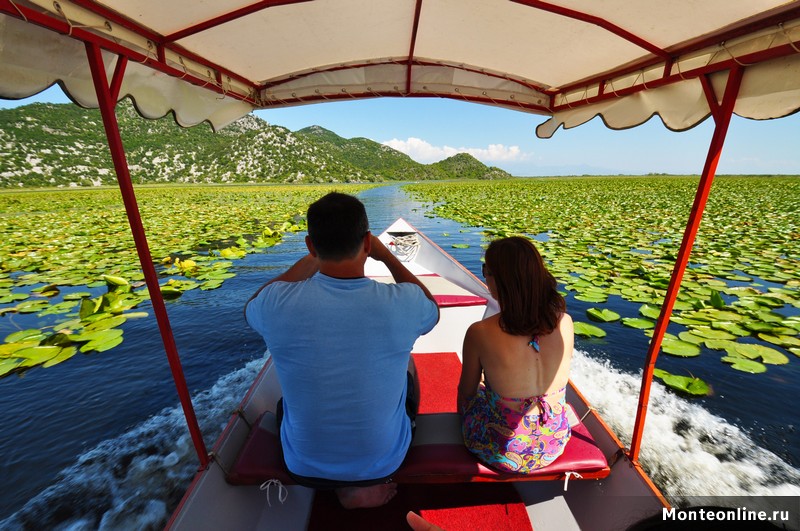
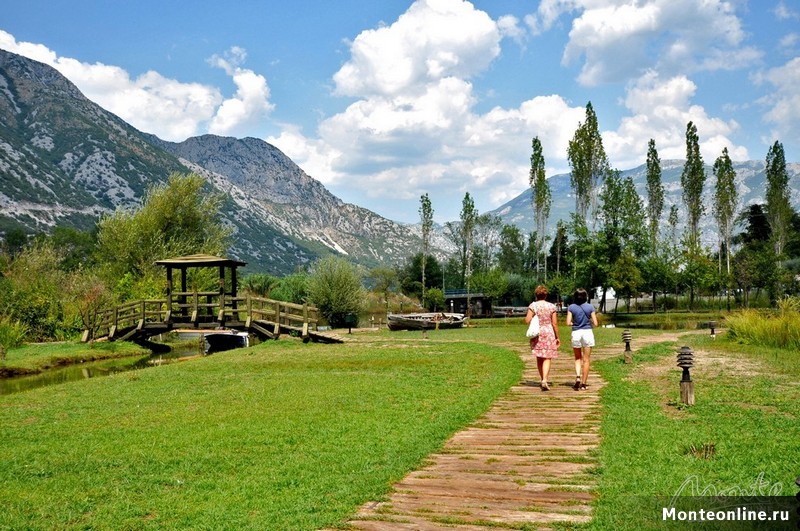
Lake Skadar is the largest and one of the most picturesque lakes in the Balkans - we invite you to plunge into the history of this unique place surrounded by the natural beauties of an untouched nature reserve and take a refreshing dip in the lake! So, we will start our acquaintance with Lake Skadar from the once largest market town of those places - the city of Virpazar, from the shores of which we can see the main part of the lake, and on the other side in clear weather we will even see Albania - after all, the border of Montenegro with Albania passes through the waters Skadar Lake!
4. Through the olive groves to the Austro-Hungarian fortress and homemade table, 8-10 hours
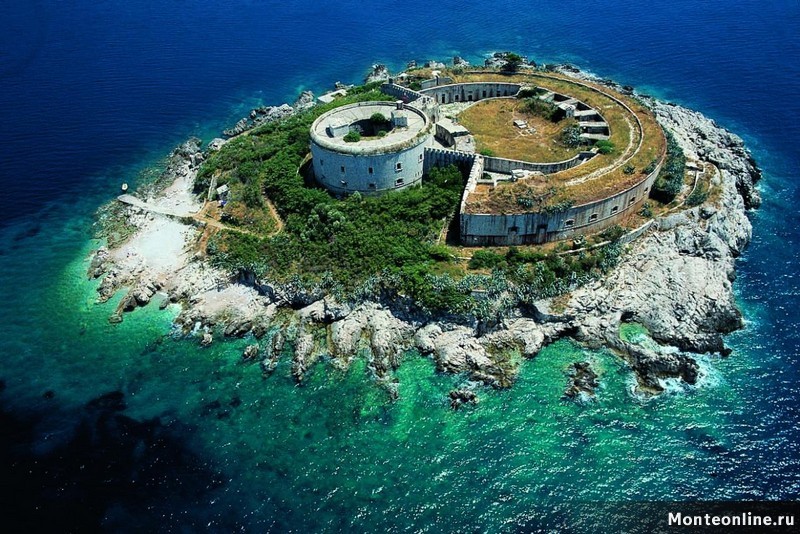

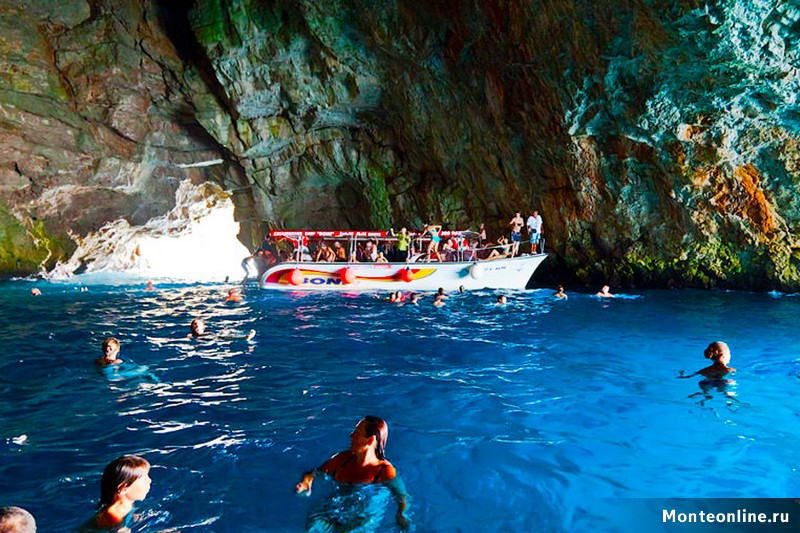
The Lustica peninsula is one of the least built-up areas of the Montenegrin coast, which has managed to preserve an almost pristine ecosystem, which is based on hectares of olive groves. It is here that two generations of the Stanic family carefully monitor the quality of their olive oil, producing the only olive oil in Montenegro, marked with a certificate of organic production. We invite you to walk through the olive groves, surrounded by impressive views of the sea and the Mamula fortress, where two generations of the Stanic family are waiting for you, who will gladly tell you about their trade.
5. Monasteries Daibabe, Ostrog and the modern capital of Montenegro Podgorica, 8-10 hours
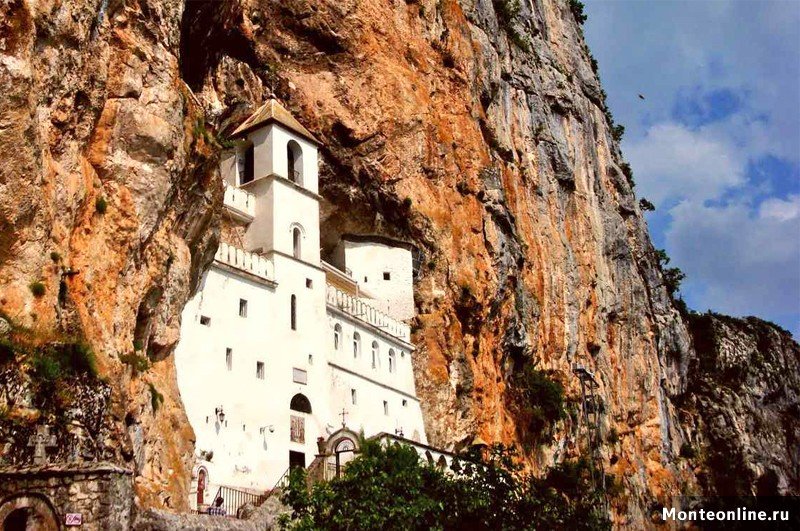


There are many monasteries and churches on the territory of Montenegro, which indicates that faith in God has always occupied an important position in the life of Montenegrins. Some monasteries were destroyed, but most still function today. Let's take a closer look at the Orthodox world of Montenegro.
The tour includes a visit to the Daibabe and Ostrog monasteries, the modern capital of Montenegro, Podgorica, lunch at a national restaurant.
6. Journey to fabulous Durmitor, 12-14 hours
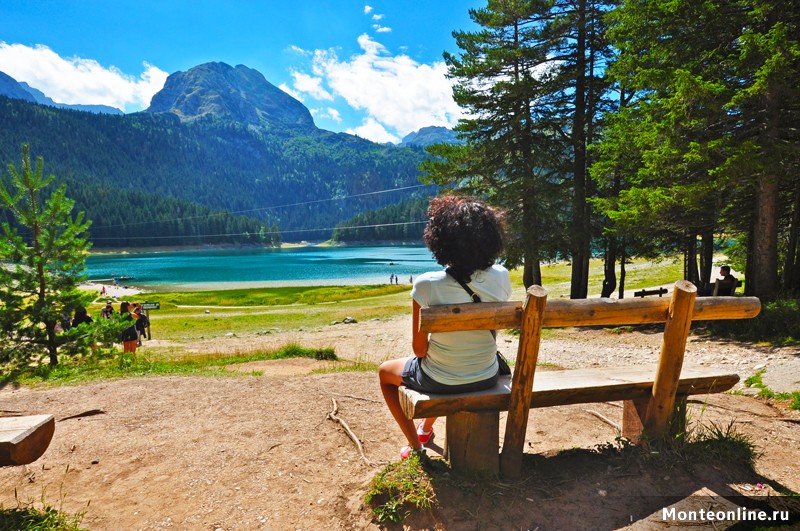
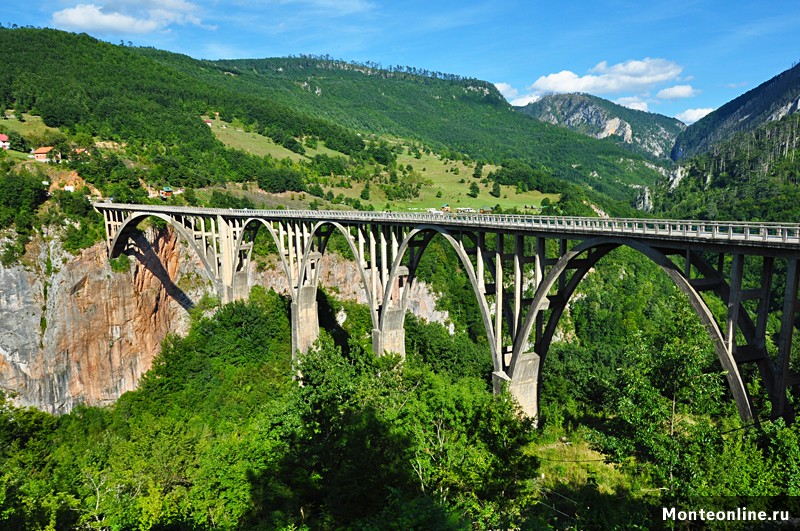
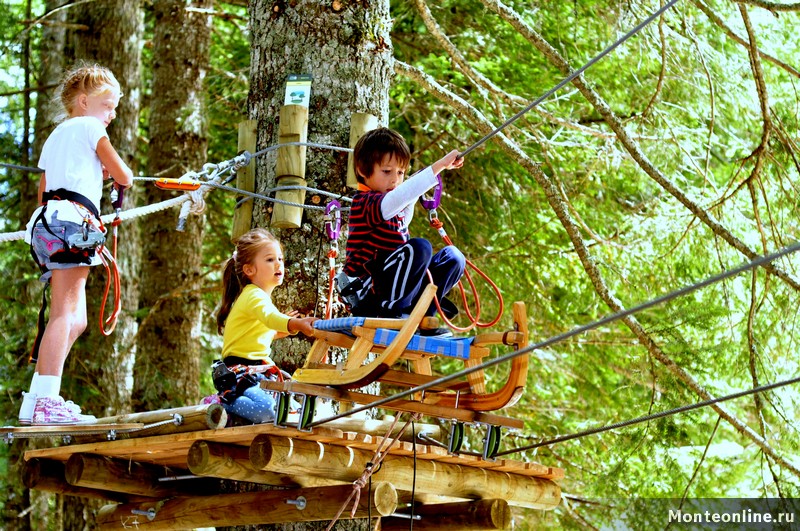
The Durmitor National Park is located in the very heart of the country, and the road to it lies along mountain serpentines, through spacious meadows surrounded by mountains, and past toy houses scattered over the hills. Durmitor is a UNESCO World Heritage Site, 390 km2 of breathtaking beauty. This plateau is covered with forests and meadows, cut by gorges and underground rivers, and looking at it from the height of the eternally snow-capped mountains one can see lakes, streams and springs gushing from the ground.
7. Gastronomic tour: the history of one winery, or acquaintance with the traditional cuisine of Montenegro with a glass of wine and a glass of brandy, 8-10 hours


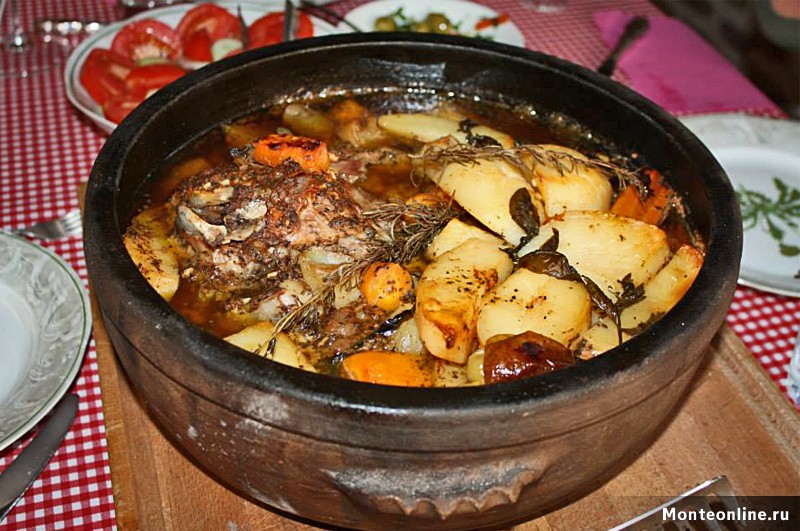
Montenegro is a renowned wine-growing region with unique natural conditions, and the finest grapes are traditionally grown in the Lake Skadar region. In the area, nestled in the mountains and forests, lies the ancient village of Staniselići, untouched by the pressures of civilization, yet preserving its traditions, ecology, and the unique, unhurried rhythm of rural life centered around grape cultivation. We invite you to visit the winery on the shores of Lake Skadar and enjoy the hospitality of its hosts, who, with true Montenegrin warmth, will prepare for you an authentic Montenegrin home-cooked meal, featuring dishes you won't find in any restaurant, accompanied by homemade wine, rakija, and herbal infusions.
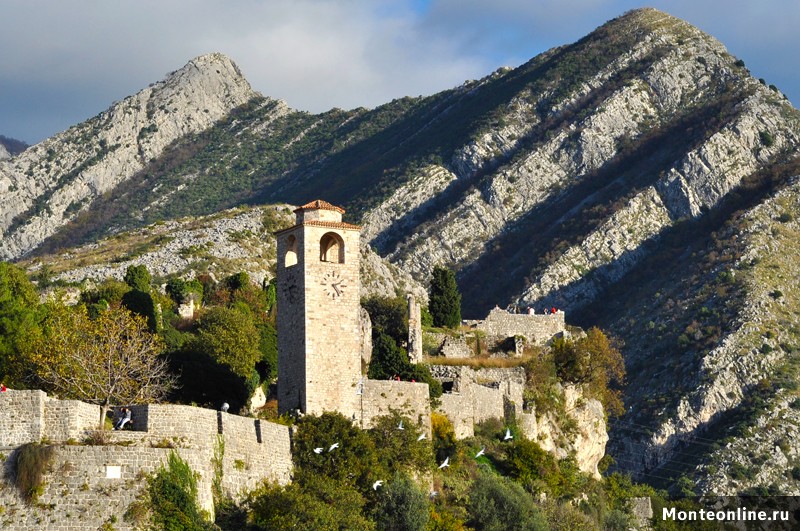
8. Ancient cities of Bar and Ulcinj, ancient olive tree and twenty kilometers of sandy beach, 8-10 hours

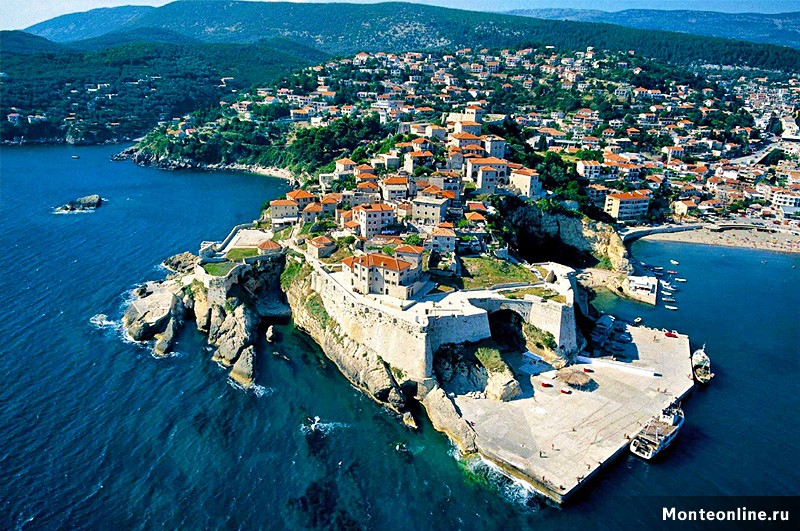
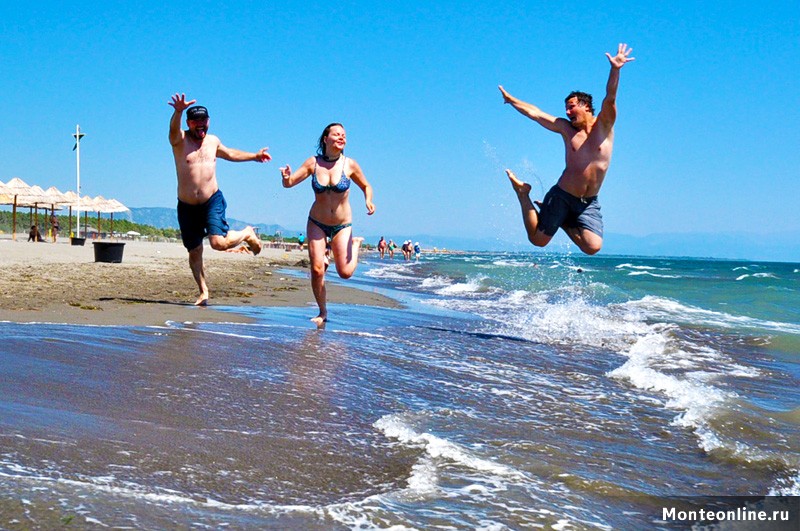
In the southernmost corner of this small country of Montenegro, there are ancient cities surrounded by sheer cliffs and centuries-old olive trees. Originating from time immemorial, impregnable fortresses, churches and mosques, permeated with history, carefully preserve evidence of the turbulent medieval youth.


