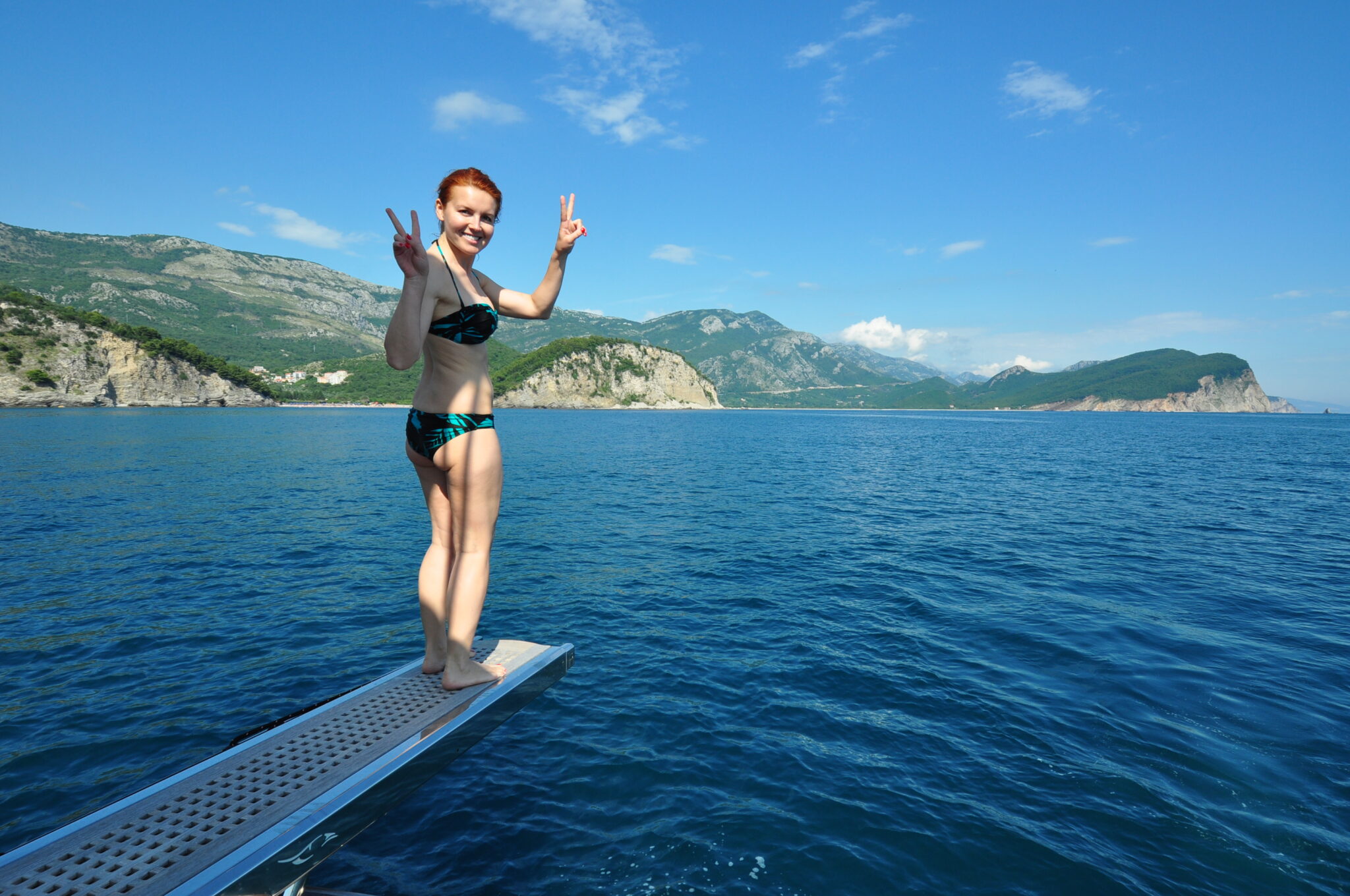


I've been fortunate to spend the last two years on the shores of Boka Bay, in a village called Muo. Vacationers know that the shores of Boka Bay don't have completely sandy beaches, and permanent residents know that this side of the bay is overshadowed more than others by either Lovćen or Vrmac, at the foot of which it gathers its neat little houses. However, the coastline of Boka Bay is ideal for strollers. Kilometers of promenade connect the villages of Muo, Prčanj, Stoliv, and elsewhere, which I didn't miss, and today my story is dedicated to my neighbor, the town of Prčanj.


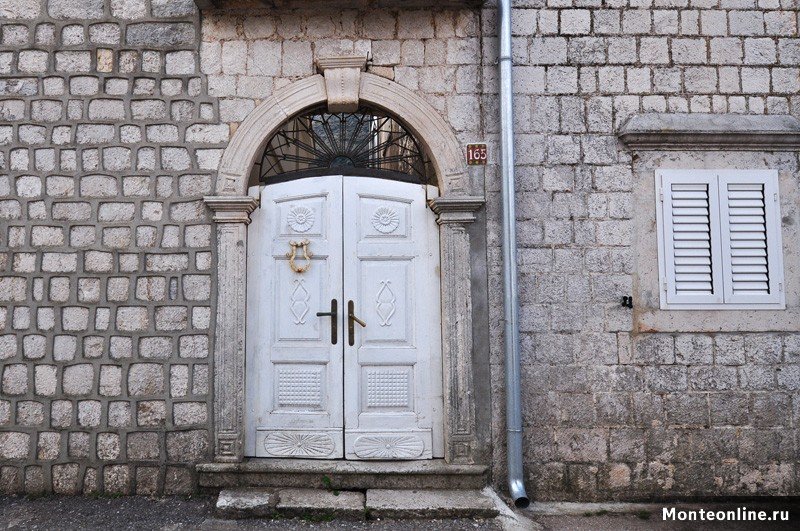
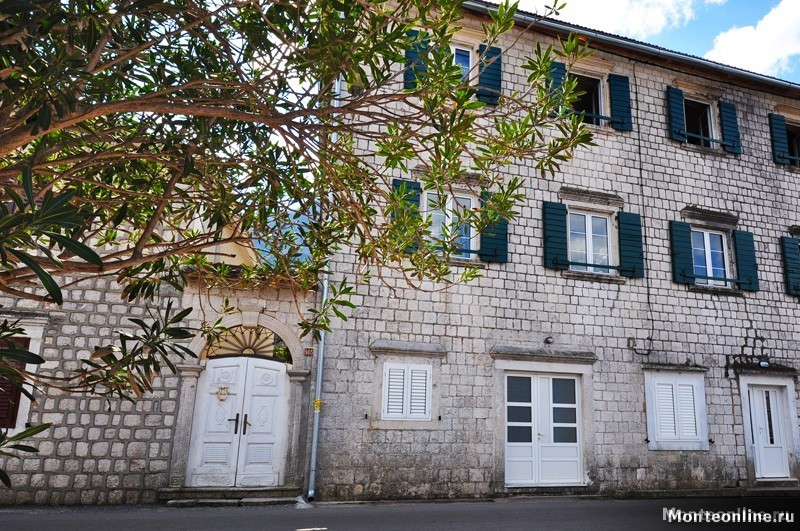
How often, walking along the embankment, I peered through the windows and at the facades of high palazzos, many of which have commemorative plaques like “Ivo Vizir lived here” or “This icon was received as a gift from Don Lukovich”, or “Peter rested in this house Petrovich II Negosh. And recently, a book came into my hands, written by a priest and a descendant of the famous Prcanj Lukovic dynasty at the beginning of the 20th century, about the history of this unique place. So, the next time you walk around Prcanj, remember the following facts:
1. Rise of Prcanj It was in the 17th and 18th centuries, when this area of the Bay of Kotor was part of the famous Venetian Republic, hence the similarity to the architecture of Northern Italy! By today's standards, small Prčanj had about 100 different ships, and this with only 1,300 residents! Prčanj traded with Venice, Dalmatia, Turkey, and Algeria, selling olive oil and dried figs, cheese and prosciutto from Montenegro (the famous Njeguši prosciutto!), and much more. Prčanj galleys were much faster than the Turkish ones, which controlled Bar and Ulcinj at the time and often carried out pirate raids in the area of the Mamula Fortress, well-known to tourists. For their exceptional reliability and speed, Prčanj sailors were awarded the important honor of being Venetian postal workers. delivered state mail across the expanses of the Adriatic! Luković Street – reminds us of this place's former grandeur; many of you may be familiar with it! This particularly opulent embankment still consists of 10 palazzos that once belonged to the Luković dynasty of seafaring merchants.

2. And on the other side of Prcanj you can’t hide from admiring glances Cathedral of the Virgin. The construction of the Cathedral was started during the prosperity of Prcanj in the era of the Venetian rule, but soon after the construction began, the power changed - the Venetian Republic collapsed under pressure from Napoleon, and its lands came under the patronage of Austria-Hungary, whose arrival in these parts marked a new stage, not the most prosperous for this place. At the same time, the steam engine gradually replaced the sailing ships, which the Prcan captains managed so skillfully, and Prcanj gradually began to fade into the shadows.

3. At the same time, the 19th century did not go unnoticed - the famous navigator Ivo Vizin lived and worked in Prchani - and his house has survived to this day - which the first of the southern Slavs to travel around the world on your sailboat.
4. In the meantime, the ambitious construction of the huge Cathedral of the Virgin was delayed - less and less money came from maritime trade, and saved Austria-Hungary, thanks to whose donations, at the beginning of the 20th century, the monumental building was finally completed.
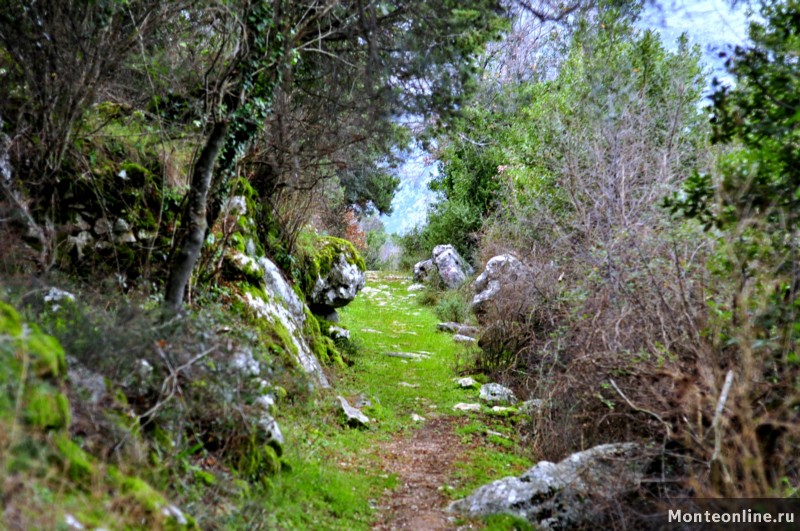
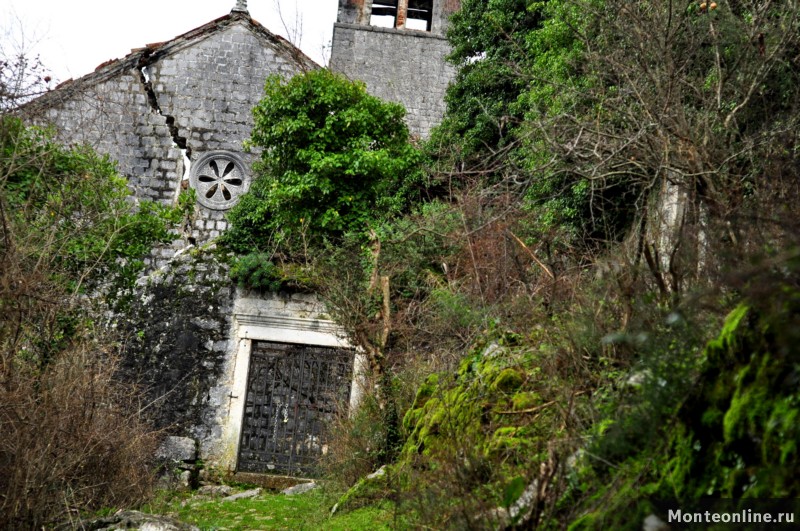
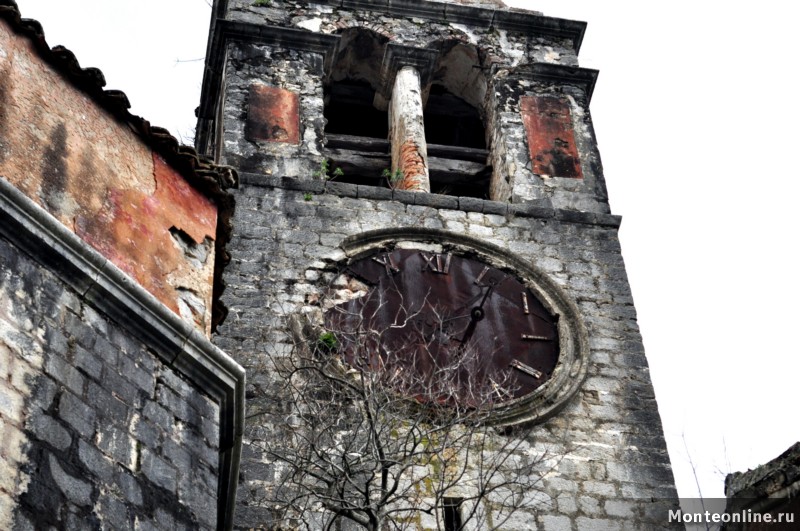
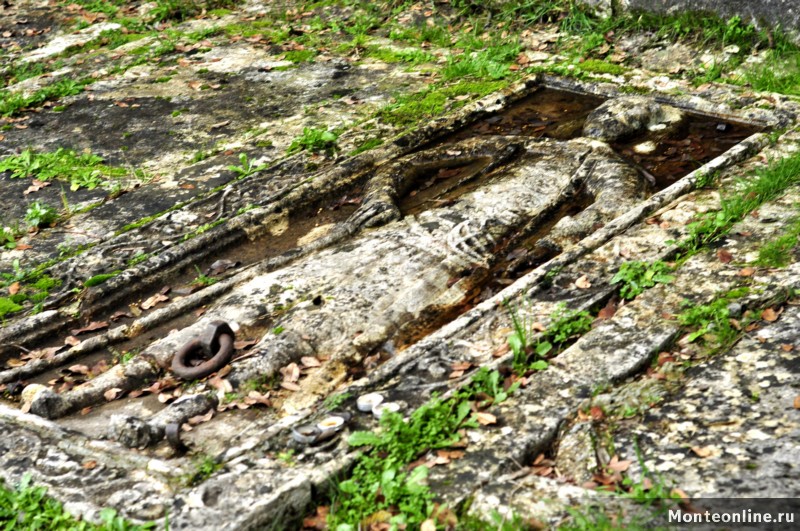
5. The Great Cathedral of the Mother of God replaced the earlier Upper Church of the Mother of God (14th century), the ruins of which are still preserved a little higher on the mountain. Dear Altar and valuables were transferred to a new monumental cathedral right on the shore, and Upper Church of the Virgin began to decline. Meanwhile, it was at this church that the city cemetery was located until the middle of the 19th century, and it was here that Ivo Vizin and many representatives of the Lukovic dynasty were buried. Fans of mountain hikes have the opportunity to see with their own eyes the dull sight of the once glorious church, recently plundered, including by vandals.



On this slightly sad note, I hasten to take my leave, I hope that now the silent stones of the Prcanj houses will reveal their stories to you a little too 🙂 Until we meet again in the open spaces of sunny Montenegro 🙂